Best BBL Recovery Supplies for Post-Surgery Support
Recovering after a Brazilian Butt Lift (BBL) often requires patience, proper rest, and the right support items to help make daily routines easier. BBL recovery is a crucial phase that many patients underestimate, even though it plays a significant role in overall comfort and healing. Many people focus heavily on the surgery itself but overlook how important the recovery period can be. Swelling, limited movement, and discomfort are common during the first few weeks, which is why having practical recovery essentials nearby can make everyday tasks more manageable.
Today, many patients search online for helpful bbl recovery supplies before their procedure so they can prepare ahead of time. From compression garments to support pillows, recovery products are usually selected based on comfort, doctor recommendations, and personal lifestyle needs rather than trends alone.
Why Recovery Support Matters After a BBL
A BBL procedure typically involves fat transfer, which means the body needs time to heal and stabilize. During recovery, patients are usually advised to avoid direct pressure on the treated area for several weeks. This is where supportive products become useful in daily life. Simple tasks like sitting, sleeping, or traveling can feel different during the healing phase.
Many people choose recovery items because they help reduce unnecessary strain while improving comfort. For example, specially designed pillows can support posture, while loose-fitting clothing may help prevent irritation around healing areas. Some patients also look for products from a trusted seller or a top brand simply because they want materials that feel durable and comfortable during extended use.
Doctors often remind patients that recovery outcomes depend heavily on aftercare habits. While supplies alone do not determine healing results, they can help create a smoother and less stressful recovery experience at home.
Common BBL Recovery Supplies People Often Use
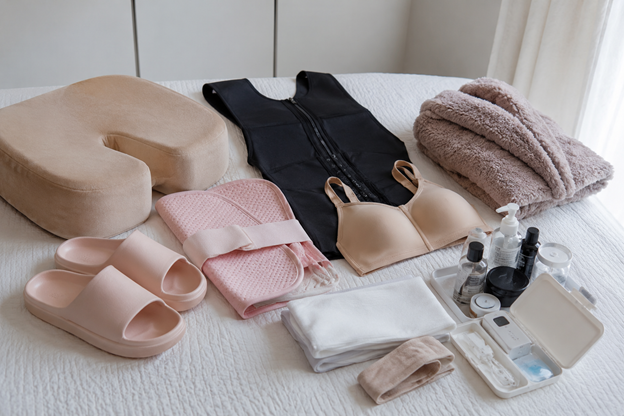
One of the most discussed recovery items is the BBL pillow. These pillows are designed to reduce pressure while sitting by shifting weight toward the thighs instead of the buttocks. Patients frequently use them while working, driving, or eating during the recovery phase. Some prefer memory foam options, while others prioritize portability for travel or office use.
Compression garments are another common part of post-surgery care. These garments are usually recommended to help manage swelling and support healing tissues. Many well-known brands manufacture medical-grade compression wear, though comfort and sizing are often more important than the label itself. Patients commonly read reviews to compare fit, breathability, and ease of use.
Additional recovery items may include absorbent pads, loose robes, antibacterial soap, water bottles, and elevated sleeping cushions. Some people also explore complete surgery recovery kits that combine several essentials into one package. These kits are often selected for convenience, especially by first-time cosmetic surgery patients trying to simplify preparation.
Choosing Comfortable Clothing and Compression Wear
Clothing choices during recovery can affect comfort more than many people expect. Tight fabrics, rough seams, or restrictive waistbands may irritate healing skin or create unnecessary discomfort. Because of this, many patients switch to oversized shirts, zip-up hoodies, soft pajamas, and breathable fabrics during the first few weeks.
Compression garments are usually worn for extended periods, so material quality matters. Some patients prefer lightweight garments for warmer climates, while others prioritize stronger compression support recommended by their surgeon. A few top brand manufacturers are often mentioned in online recovery discussions, but personal fit remains the most important factor.
Patients sometimes purchase multiple garments to rotate between washes. This can help maintain hygiene while ensuring consistent support throughout recovery. Adjustable straps, easy-access zippers, and soft inner lining are features many users appreciate because they simplify daily wear and reduce irritation.
Sleep Support and Daily Comfort Essentials
Sleeping after a BBL can feel challenging at first because certain positions may place pressure on sensitive areas. Many patients are advised to sleep on their stomach or side during the early recovery period. Because of this, supportive pillows become a common part of the healing setup.
Body pillows, wedge pillows, and leg elevation cushions are frequently used to improve sleep posture. Some people already own suitable pillows at home, while others prefer specialized recovery options designed for cosmetic surgery patients. The goal is usually comfort and reduced pressure rather than luxury.
Hydration and accessibility also become important during recovery. Keeping water bottles, medications, snacks, and phone chargers nearby can help reduce unnecessary movement. Small practical adjustments often make a noticeable difference during the first several days after surgery.
Some patients rely on recommendations from online communities, while others purchase products from a trusted seller they have used before. Either way, recovery setups are often highly personal and based on individual comfort preferences rather than one universal checklist.
Preparing for Recovery Before Surgery Day
Many surgeons encourage patients to organize their recovery space before surgery instead of waiting until afterward. Preparing in advance may reduce stress during the first few days when movement is more limited. Common preparations include arranging pillows, setting up bedside essentials, washing compression garments, and preparing comfortable clothing ahead of time.
Meal preparation is another detail people sometimes overlook. Having easy-to-reheat meals, healthy snacks, and hydration supplies available can simplify the recovery process. Some patients even create small recovery stations in both the bedroom and living room to avoid repeated trips around the house.
Recovery products continue evolving as cosmetic surgery becomes more common. Newer designs focus on comfort, portability, and ease of use rather than appearance alone. While trends may influence some purchases, most patients ultimately prioritize practical support that fits their lifestyle and surgeon’s instructions.